When it comes to charging an electric vehicle, there are two main options: AC (Alternating Current) and DC (Direct Current). Both supply electricity to your battery, but in different ways, and understanding the difference helps you choose the right solution for your needs.
AC Charging
AC charging uses the same electricity you have at home. Your car converts this into DC, which the battery can store. This process takes longer — a typical 60 kWh battery can take 6–8 hours to charge.
Best for:
- Home charging overnight
- Drivers with average daily mileage
- Fleets with long breaks or overnight parking
DC Charging
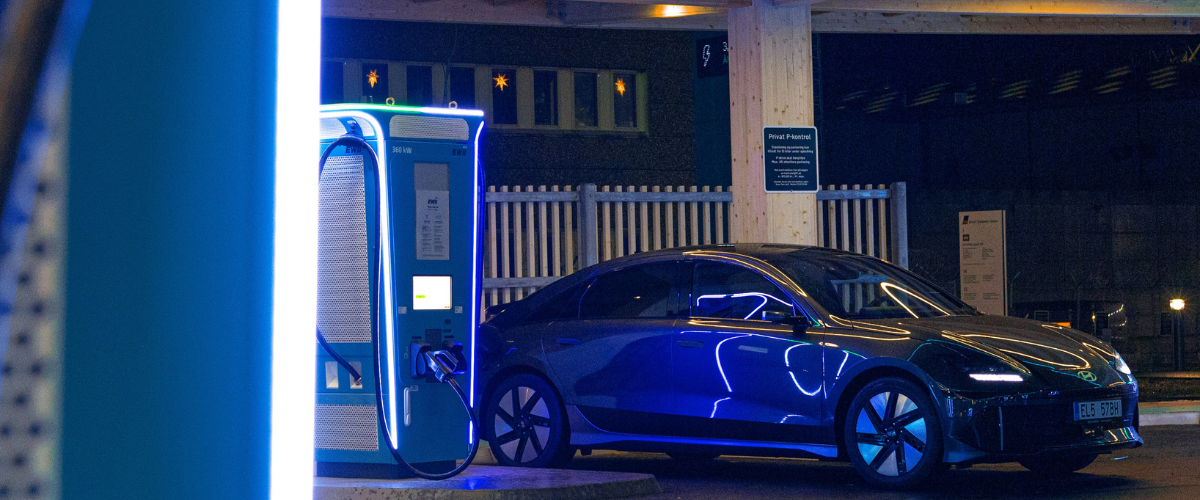
DC charging delivers electricity directly as DC, with the conversion happening in the charger instead of the car. This allows much faster charging — the same 60 kWh battery can reach full charge in 30–40 minutes.
Best for:
- Taxis and ride-hailing vehicles
- Delivery fleets needing all-day availability
- Businesses where time is money
Home Charging Recommendations
For private users, AC charging is the ideal choice. It’s cost-effective, easy to install, and perfect for overnight charging. DC charging at home is expensive and rarely necessary for daily driving, though it can be used if needed.
Why Businesses Prefer DC
Time is money for commercial fleets. A taxi sitting on an AC charger for 6 hours loses significant revenue compared to a 40-minute DC charge. For fleets, the speed of DC charging translates directly into higher productivity and profits.
Smart Charging Approach
- Home users: Rely on AC charging, using DC only occasionally for convenience.
- Fleets and taxis: Combine AC overnight charging with DC fast top-ups during the day.
Final Takeaway
AC is perfect for private users, protecting both wallet and battery, while DC is a strategic investment for businesses needing fast turnaround. The right mix ensures efficient, cost-effective EV charging for everyone.